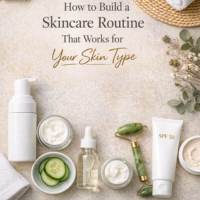
How to Build a Skincare Routine That Works for Your Skin Type
If you’ve ever bought a skincare product because it worked wonders for someone else—only to have your skin react badly—you’re not alone. One of the biggest skincare myths is that there’s a “perfect routine” that works for everyone. The truth is much simpler (and more freeing): good skincare is personal.
Your skin has its own needs, habits, and moods. Some days it behaves, some days it doesn’t. And that’s okay. Building a routine that actually works means learning how your skin functions—not following every trend or 10-step routine you see online.
Let’s break it down in a realistic, no-pressure way.
Understand Your Skin Type
Before buying anything, you need to know what kind of skin you’re working with. Not what you think you have—but what your skin consistently shows you.
Here’s a simple way to figure it out:
Wash your face with a gentle cleanser and don’t apply anything afterward. Wait about an hour and notice how your skin feels.
-
If it feels tight or flaky: You likely have dry skin
-
If it looks shiny, especially on the forehead, nose, and chin: You have oily skin
-
If some areas feel dry and others oily: That’s combination skin
-
If it feels comfortable—not tight, not greasy: You probably have normal skin
-
If it stings, turns red easily, or reacts quickly: You have sensitive skin (this can overlap with any type above)
Skin type isn’t something you choose—it’s something you observe. And it can change with weather, age, hormones, stress, and lifestyle.
Forget Complicated Routines
More products don’t equal better skin. In fact, overdoing it is one of the fastest ways to damage your skin barrier.
At its core, a good skincare routine needs just three essentials:
-
Cleanser
-
Moisturizer
-
Sunscreen (morning only)
Everything else is optional and should be added slowly, only if your skin needs it.
Build Your Routine Based on Your Skin Type
Dry Skin: Focus on Comfort and Hydration
Dry skin often feels tight, rough, or dull. It needs moisture—and help holding onto it.
Cleanser:
Choose a gentle, creamy or hydrating cleanser. Avoid anything that foams too much or leaves your skin squeaky clean. That “clean” feeling usually means stripped.
Moisturizer:
This is your most important step. Look for richer textures that leave your skin feeling soft, not greasy. Apply while your skin is slightly damp to lock in moisture.
Extras (Optional):
-
Hydrating serums
-
Facial oils (especially at night)
-
Weekly gentle exfoliation (not more)
Dry skin loves consistency. Skipping moisturizer even once can make your skin feel uncomfortable the next day.
Oily Skin: Balance, Don’t Strip
Oily skin often gets a bad reputation, but it’s actually very resilient. The mistake most people make is trying to “dry it out.”
Cleanser:
A lightweight gel or foaming cleanser works well—but it should still feel gentle. If your skin feels tight after washing, it’s too harsh.
Moisturizer:
Yes, oily skin needs moisturizer. Skipping it can make your skin produce more oil. Choose lightweight, fast-absorbing formulas.
Extras (Optional):
-
Oil-control or balancing serums
-
Clay masks once a week
-
Chemical exfoliation (used carefully)
The goal isn’t to remove oil completely—it’s to keep it balanced.
Combination Skin: Treat Different Areas Differently
Combination skin is common and totally normal. Your forehead and nose might be oily, while your cheeks feel dry.
Cleanser:
Go for something gentle and balanced—nothing too stripping or too heavy.
Moisturizer:
Use a lightweight moisturizer overall, and apply extra only where you need it (usually cheeks).
Extras (Optional):
-
Spot treatments instead of full-face treatments
-
Different products for different areas if needed
Combination skin does best when you listen to what each area needs instead of forcing one solution everywhere.
Normal Skin: Maintain What’s Working
If your skin feels comfortable most days, congratulations—you’ve got normal skin. But that doesn’t mean you can skip care altogether.
Cleanser:
Any gentle cleanser that doesn’t disrupt your skin works.
Moisturizer:
A simple, lightweight moisturizer is enough to keep things balanced.
Extras (Optional):
-
Occasional exfoliation
-
Hydrating or glow-boosting products
The key here is maintenance, not experimentation overload.
Sensitive Skin: Go Slow and Simple
Sensitive skin reacts easily—redness, stinging, breakouts, or itching are common signs.
Cleanser:
Use the gentlest option possible. No strong fragrances, no harsh exfoliants.
Moisturizer:
Look for calming, barrier-repairing formulas. The fewer ingredients, the better.
Extras (Optional):
-
Introduce new products one at a time
-
Patch test everything
-
Avoid frequent switching
Sensitive skin rewards patience. When you find something that works, stick with it.
Sunscreen Is Non-Negotiable
No matter your skin type, sunscreen is the most important skincare product you’ll ever use.
It protects against:
-
Premature aging
-
Dark spots
-
Sun damage
-
Skin cancer risk
If sunscreen feels heavy or greasy, that just means you haven’t found the right one yet. There are options for every skin type—including oily and sensitive skin.
Apply it every morning. Even indoors. Even on cloudy days.
Add Treatments Only When Needed
Once your basic routine feels stable, you can consider adding targeted treatments—but only if there’s a real concern.
Examples:
-
Acne
-
Uneven tone
-
Dullness
-
Fine lines
Add one product at a time and give your skin at least two weeks to adjust. If you add too much too fast, you won’t know what’s helping—or harming—your skin.
Listen to Your Skin, Not Trends
Your skin doesn’t care what’s viral. It doesn’t care what worked for an influencer. It responds to consistency, rest, hydration, and gentle care.
Some signs your routine is working:
-
Your skin feels comfortable
-
Breakouts are less frequent
-
Redness and irritation reduce
-
Makeup sits better
Some signs it’s not:
-
Burning or stinging
-
Sudden breakouts
-
Tightness or excessive oiliness
When something doesn’t feel right, trust that feeling.
Remember That Skincare Is a Long Game
Skincare isn’t about overnight miracles. It’s about showing up for your skin regularly—even on lazy days, even when results aren’t instant.
Your skin will change over time. That doesn’t mean your routine failed. It just means it’s time to adjust.
The best skincare routine isn’t the most expensive, the most complex, or the most popular. It’s the one that fits into your life and makes your skin feel healthy and cared for.
Start simple. Pay attention. Be kind to your skin.
When your routine works for you, it shows—not just in how your skin looks, but in how confident you feel in it.


You May Also Like

Fashion Week Street Style For Women

Flattering Fashion Guide for V-Shaped Body Women